The Meaning of a Cord of Three Strands
Ecclesiastes 4:12 gives a memorable shape to the strength of companionship: "a threefold cord is not quickly broken." It is often read at weddings, where the image has become a tender symbol of two people joined with God at the center. Its first setting is broader and perhaps even more useful. The verse belongs to a reflection on friendship, mutual help, and the simple resilience people find when they do not face life alone. That breadth gives the familiar wedding reading its depth.
What does Ecclesiastes 4:12 say in context?
Ecclesiastes 4:9 to 12 begins with the plain observation that "Two are better than one." The writer considers work, hardship, warmth, and defense, showing how one companion can help another rise after a fall or endure a cold night. The final image gathers those scenes together: "And if one prevail against him, two shall withstand him; and a threefold cord is not quickly broken." This is wisdom literature, less a command than an honest account of human limits. It resists the idea that independence is always strength. A cord gains resilience by being woven, not by pretending that one thin thread can carry every strain. Read in context, the verse honors friendship, family, community, and marriage alike. Its wisdom is grounded in ordinary experience, which is why it still sounds clear at a wedding altar and in the quieter years that follow.
Why is the third strand understood as God?
The verse itself does not name God as the third strand. Its immediate meaning is about the greater strength of companionship compared with isolation. In Christian wedding readings, however, the threefold image has naturally been understood as a husband, a wife, and God woven together. That interpretation is devotional rather than a direct explanation supplied by Ecclesiastes, but it is consistent with the wider Christian conviction that marriage is sustained by more than mutual effort. The image does not suggest that faith removes every difficulty. A cord is valuable precisely because it is made to bear tension. Instead, it expresses the hope that prayer, forgiveness, shared worship, and humble attention to God can give a marriage a durable center. Naming the interpretation carefully lets the verse remain honest about its original context while honoring the meaning couples have found in it across generations.
Why is this a popular wedding Bible verse?
A cord is a tactile image, easy to understand and rich enough to carry a lifetime of meaning. Unlike a grand declaration that belongs only to the ceremony, it points toward daily practices: showing up, repairing after conflict, asking for help, and remembering that commitment is made stronger through shared purpose. Couples often choose Ecclesiastes 4:12 because it speaks about endurance without becoming sentimental. The phrase "not quickly broken" acknowledges that a marriage has weather, weight, and time within it. It also works beautifully in a ceremony because the verse is brief and its image is visible. Some couples include an actual cord ceremony, while others choose it for invitations, anniversary notes, or a piece of wedding wall art. The lasting appeal lies in its balance. It is hopeful without pretending that lasting love is effortless, and practical without losing its poetry.
How can couples reflect on this verse after the wedding?
The cord image can become a useful question rather than only a motto: what is being woven into this marriage now? At different times, the answer may be a shared meal, a difficult conversation, a season of prayer, trusted friends, or a willingness to seek counsel. Ecclesiastes values help that is concrete, such as lifting someone who has fallen. That makes the verse especially fitting for anniversaries, when a couple can notice not only the happy moments but the ways they have been carried through ordinary pressures. Displaying the words in a bedroom, hallway, or gathering space can offer a quiet reminder of that shared work. The point is not to measure a marriage against an ideal. It is to remember that durable love is relational and tended. Like strands brought together by patient hands, strength grows through connection, repetition, and care.
Frequently asked questions
What does a cord of three strands mean in a marriage?
Many Christian couples understand the three strands as husband, wife, and God. Ecclesiastes first speaks more generally about the strength of companionship, but the image has become a meaningful way to express a marriage supported by faith, shared commitment, and mutual care.
Is a cord of three strands not quickly broken a direct Bible quote?
Yes. The King James Version of Ecclesiastes 4:12 says that a threefold cord is not quickly broken. The popular wording "cord of three strands" is a clear modern way of naming the same image, rather than the exact KJV phrasing.
Is Ecclesiastes 4:12 appropriate for an anniversary gift?
Yes. The verse recognizes that enduring relationships are strengthened through companionship and mutual support. It works well for an anniversary because it honors the shared life that has been built over time, not only the romance of a wedding day.
Bring it to your wall
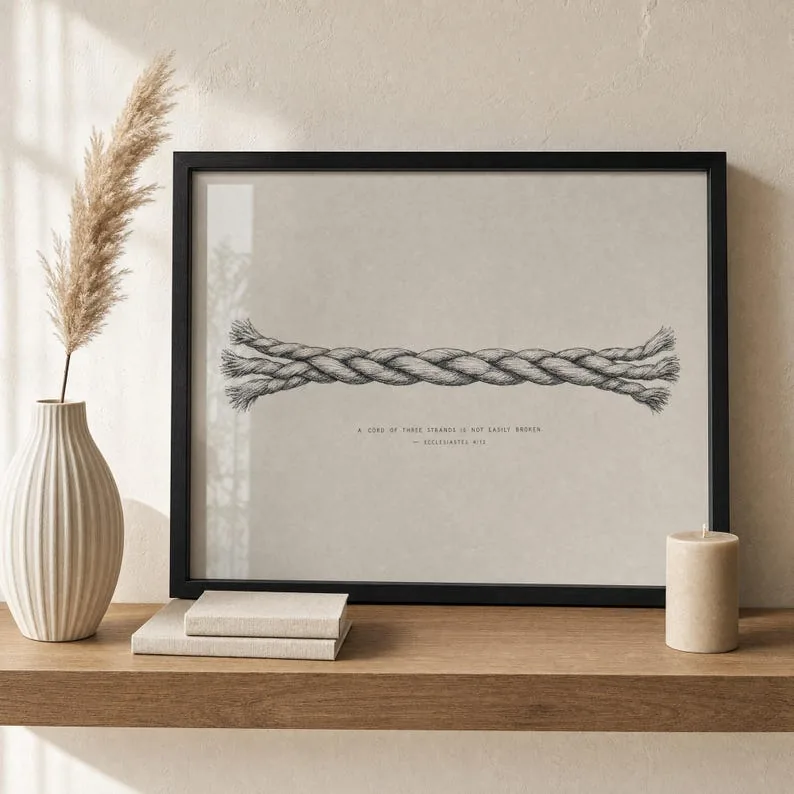
A Cord of Three Strands, Ecclesiastes 4:12 Christian Wedding Wall Art, Hand-Drawn Scripture Printable, Newlywed Unity Gift
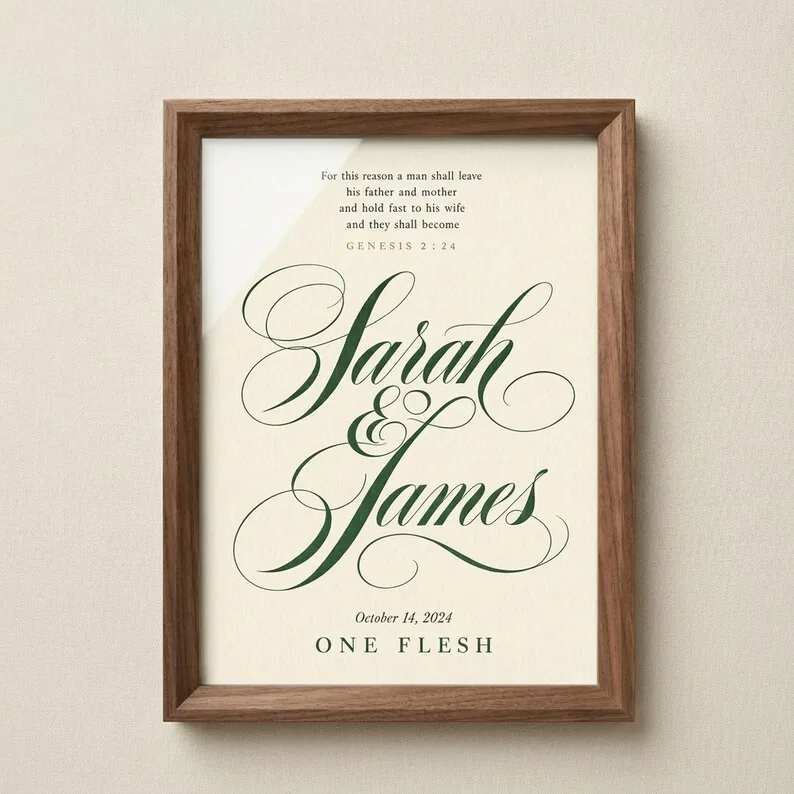
Personalized Wedding Print Genesis 2:24 Custom Names One Flesh Scripture Christian Wedding Gift
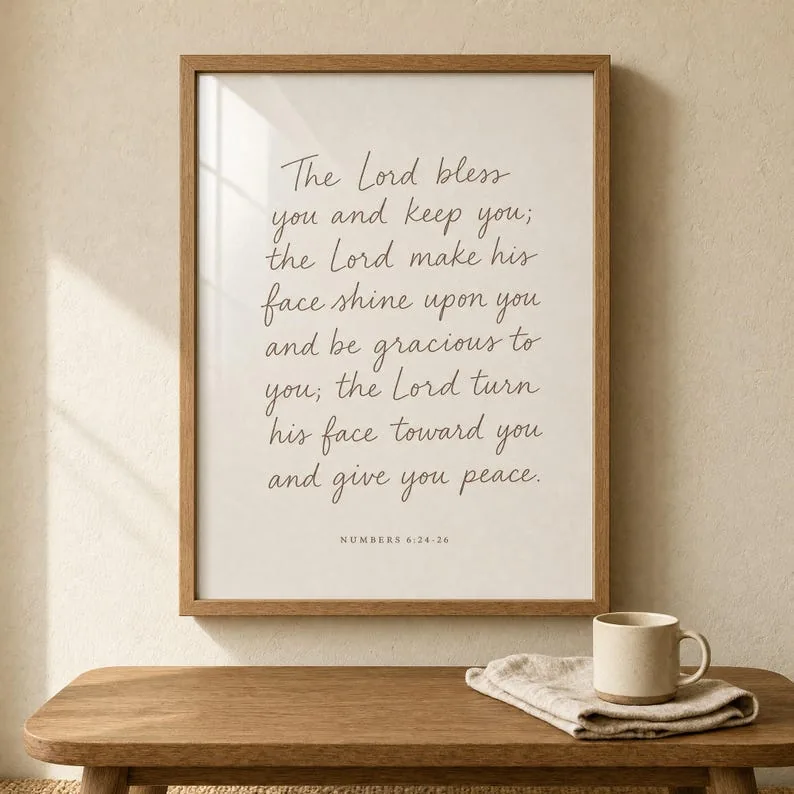
The Lord Bless You and Keep You, Aaronic Blessing Print, Numbers 6:24-26 Scripture Wall Art, Nursery Christian Printable